The little UV-Meter updated in a wiser version
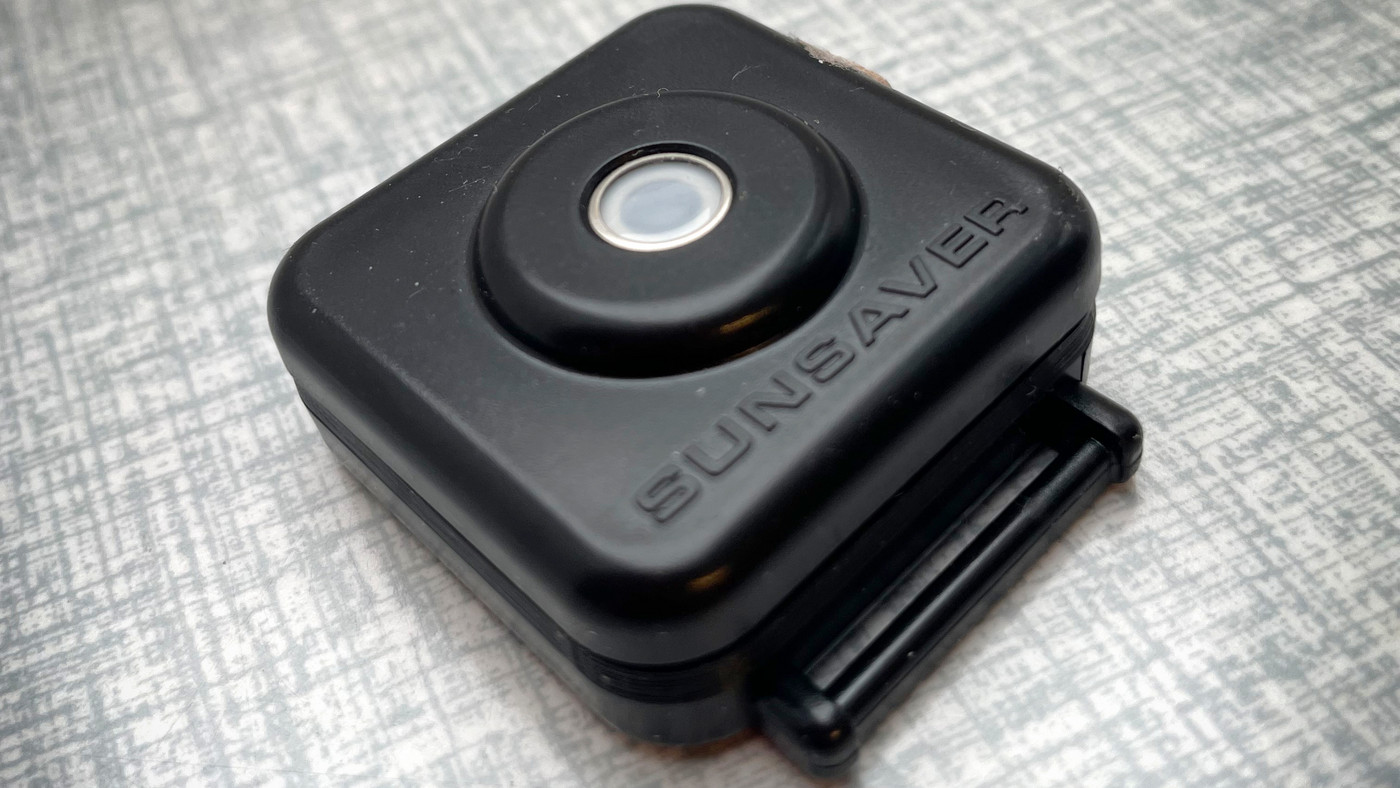
It is the developer of SunSaver, biomedical engineer Jakob Heydenreich, who has given the small black device a significant upgrade.
“The new version has the advantage that it measures continuously and constantly sends data back to us. It can run for up to six months before needing to be recharged, and this can be done very easily by the user,” says Jakob Heydenreich.
The older SunSaver devices had to be individually programmed to measure and store data. And once participants had used the UV meter for the agreed period, the device had to be sent by post and physically be at the Skin Cancer Research Center in order to have its data extracted.
This will now change, as Jakob Heydenreich can access the incoming data on a daily basis and at the same time monitor whether all distributed SunSaver devices are measuring as they should.
Biomedical engineer Jakob Heydenreich
So far, the SunSaver has been used in many different research contexts. Among other things, in projects investigating both the positive and negative effects of the sun, including vitamin D production, DNA damage, and the relationship between sun behavior and skin cancer.
Currently, the SunSaver is being used in an interdisciplinary research project, ICARUS, supported by the Novo Nordisk Foundation, where participants in countries such as Greece wear the device to document the UV radiation they are exposed to on a daily basis. The SunSaver is also used in the EU project InterCambio, which measures workers’ physical and mental health under exposure to cold, heat, and UV radiation across Europe.