One in Five Danes Will Develop Skin Cancer – and Distance to a Dermatologist May Affect When It Is Diagnosed
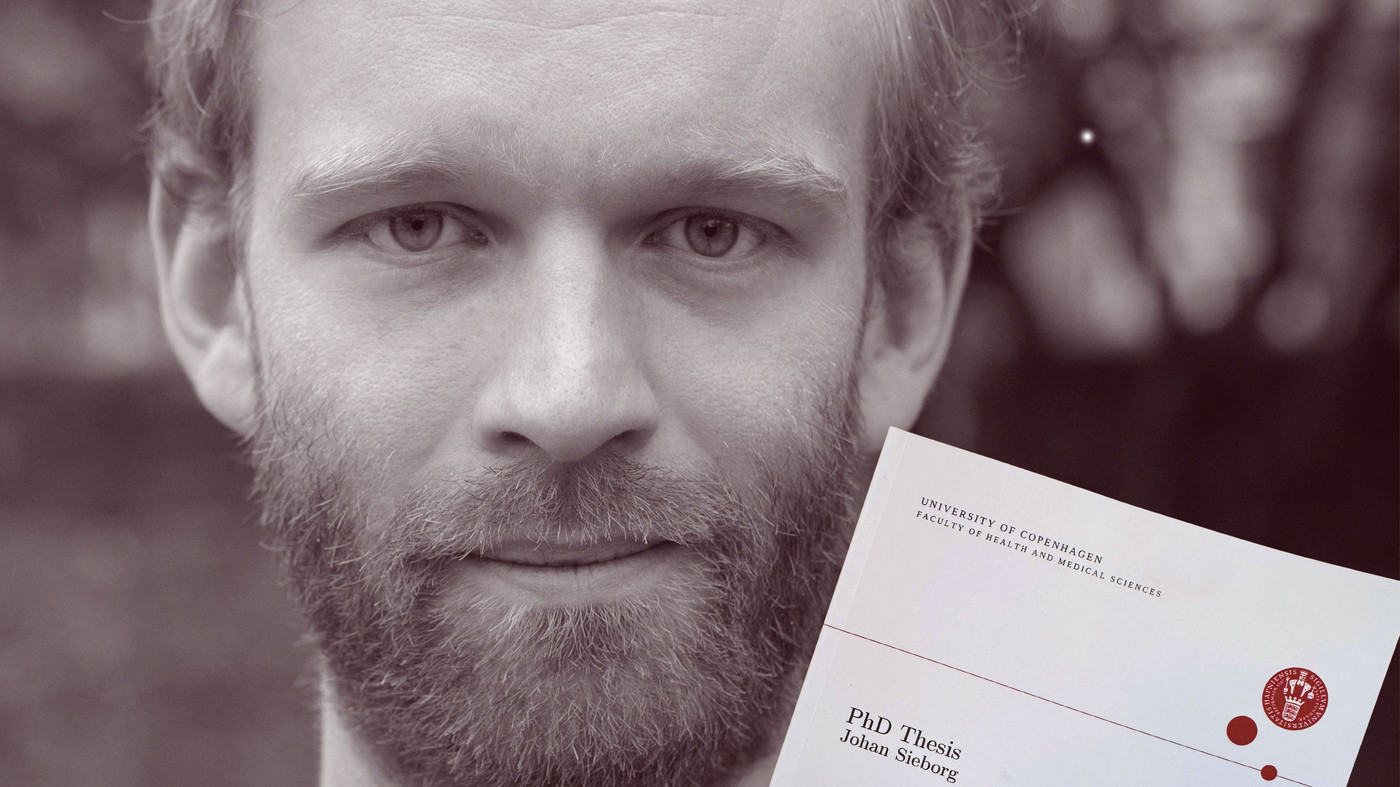
A PhD project by physicist and postdoctoral researcher Johan Sieborg demonstrates an association between the incidence of skin cancer and socioeconomic status, based on income. People with a higher socioeconomic status had more registered cases of skin cancer, but smaller tumors compared with people with a lower socioeconomic status.
One possible explanation is that people with higher incomes and higher levels of education are more likely to seek medical attention and respond more quickly to changes in their skin.
“If you have a higher level of education and knowledge, you may be more likely to seek information and not ignore symptoms,” says Johan Sieborg.
He also points out that the findings may be associated with sun-related leisure activities, including more holidays in sunny destinations and outdoor recreational activities among people with higher incomes.
Distance to a Dermatologist Matters
One of the most notable findings of the PhD project concerns the distance to a specialist dermatologist. Johan Sieborg considers the geographical aspect particularly interesting from a research perspective:
“I am trained as a physicist, and when I started the project, I was very new to skin cancer research. I could see that there were differences in incidence between rural and urban areas, but I could not draw any conclusions from that alone. The geographical and socioeconomic aspects are interesting to investigate because people are different. At the same time, Denmark strives to ensure equal access to healthcare for everyone. That makes it important to identify precisely where these differences occur,” he says.
The study shows that the number of nodular basal cell carcinomas (BCCs) increased as the distance to a specialist dermatologist decreased.
This may indicate that geographical access influences how quickly people seek assessment of changes in their skin. If a dermatologist is located nearby, the threshold for making an appointment may be lower.
It may also mean that small or less noticeable skin changes are examined and diagnosed at an earlier stage.
For cutaneous squamous cell carcinoma (cSCC), the pattern was the opposite: The number of cases increased with greater distance to a specialist dermatologist, which could reflect a more vulnerable group of patients.
Greater distances may also mean that some patients wait longer before seeking medical attention.
Tumors Are Larger as Distance Increases
Distance does not appear to affect only the number of registered cases.
The PhD project also shows that BCC tumors were larger at the time of treatment when patients lived farther away from a specialist dermatologist.
For cSCC, tumor size at the time of treatment was not affected by distance in the same way.
According to Johan Sieborg, one possible explanation may be differences in how the two types of skin cancer develop and the symptoms they cause.
BCC is often associated with milder symptoms than cSCC. As a result, patients may find it easier to postpone seeking medical attention if they have to travel a long distance to see a dermatologist.
cSCC is more often associated with troublesome symptoms than BCC, which may prompt patients to seek medical attention sooner – even when the distance to a dermatologist is greater.
Geography Is Also a Health Policy Issue
From a societal perspective, the study and its findings raise broader questions about equal access to the diagnosis and treatment of skin cancer in Denmark.
Actual access to care may vary if there are geographical differences in how far patients have to travel to see a dermatologist.
“Epidemiological research can be used to understand disease development and the burden it places on society, as well as how political decisions are made about the allocation of funding and resources,” says Johan Sieborg.
As a postdoctoral researcher, he has now embarked on a new research project investigating healthcare utilization among patients with skin cancer compared with the general population.

Postdoc Johan Sieborg
FACT BOX
The PhD project was conducted by physicist Johan Sieborg under the main supervision of Professor and Head of Research Merete Hædersdal. The project consists of three studies:
- The prevalence of skin cancer in Denmark and regional differences.
- How the prevalence of skin cancer is influenced by socioeconomic status and distance to dermatology clinics.
- Which treatments are associated with the lowest number of skin cancer tumors recurring after treatment.