Risk of Recurrence in Basal Cell Carcinoma Depends on Tumor Location and Size
Which basal cell carcinomas are best suited for treatment with curettage – and which patients should receive closer follow-up?
Researchers from the Danish Knowledge Centre for Skin Cancer have investigated this question in a large nationwide study. The study includes 47,358 patients treated for basal cell carcinoma with curettage, also referred to as superficial scraping, in specialist dermatology practices.
Curettage is a simple and well-established treatment for basal cell carcinoma. However, the treatment is not equally suitable for all tumors.
Higher Risk in the Head and Neck
In the study, the overall recurrence rate was 13.3% after eight years. However, this figure conceals substantial differences depending on tumor location and size. Basal cell carcinomas located in the head and neck region had a recurrence risk of as much as 25% eight years after curettage.
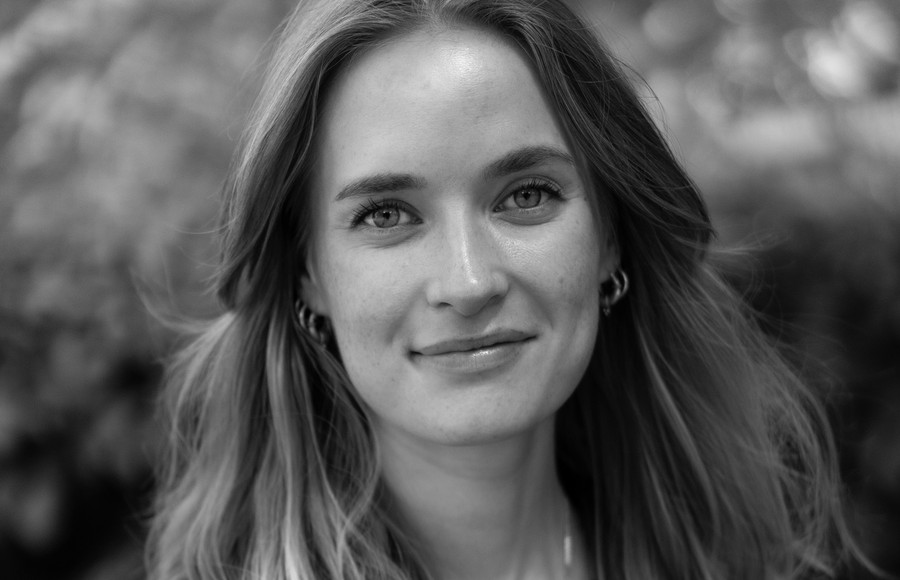
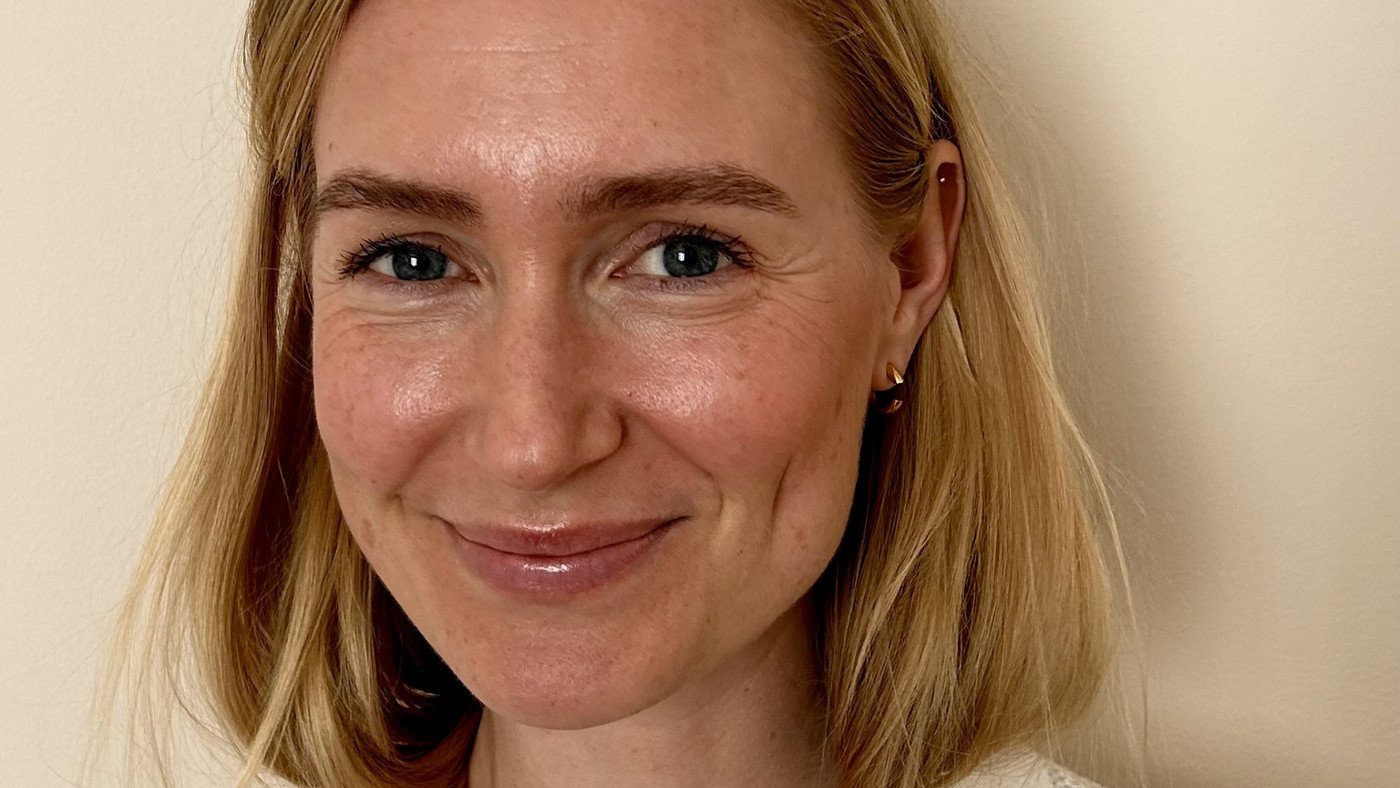
“The recurrence rate for tumors in the head and neck region is markedly elevated, and this should prompt consideration of surgical excision as the first-line treatment in these cases. This is also in line with international practice, where curettage is rarely used on the face,” says physician and PhD Emilie Westerlin Kjeldsen, lead author of the article.
The same applies to larger tumors. By contrast, curettage should remain a first-line treatment for superficial basal cell carcinomas on the trunk and extremities:
“This is where we see the lowest recurrence rates, and curettage is both a quick and inexpensive treatment for this group of patients,” says Emilie Westerlin Kjeldsen.
Recurrences May Occur Later Than Expected
Another important finding is that recurrences may occur later than previously expected.
While it has traditionally been assumed that the risk of recurrence levels off after approximately five years, the study, which is based on eight years of follow-up, shows that recurrences may occur considerably later.
This may have implications for the follow-up of patients with basal cell carcinoma.
For patients at increased risk of recurrence, the new findings may therefore provide a better basis for assessing how long and how closely they should be followed after treatment.
Potential for More Individualized Treatment
Basal cell carcinoma is the most common form of skin cancer, and many patients can be treated successfully with relatively simple methods. At the same time, the study results show that the risk of recurrence is not the same for all tumors.
Information about both tumor location and size may therefore be taken into account when determining the treatment strategy and subsequent follow-up.
According to the researchers behind the study, the findings provide new knowledge that may help support more precise and individually tailored treatment and follow-up pathways for patients with basal cell carcinoma.
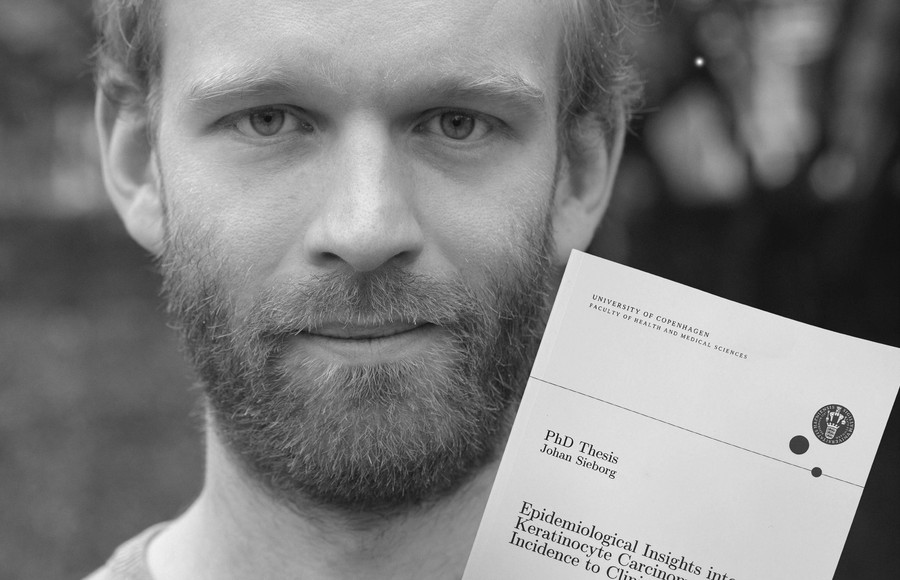
The study was published in June 2026 in the journal Acta Dermato-Venereologica. It was conducted by physician and PhD Emilie Westerlin Kjeldsen as lead author, with Susanne K. Kjær, Clinical Professor at the University of Copenhagen; Johan Sieborg, postdoctoral researcher; and specialist physician Henrik Sølvsten as co-authors; and Merete Hædersdal, Professor and Head of Research at the Danish Knowledge Centre for Skin Cancer, as senior author.
About the Study
- 47,358 patients with basal cell carcinoma were included in the study.
- The patients were treated with curettage/superficial scraping.
- Treatment was performed in specialist dermatology practices.
- Patients were followed for up to eight years.
- The risk of recurrence varied depending on tumor location and size.
- Tumors in the head and neck region had a higher risk of recurrence.
- Larger tumors also had a higher risk of recurrence.
- The treatment is effective for small basal cell carcinomas on the trunk and extremities.