Patients at High Risk of Developing Melanoma May Need Psychological Support
New international research from the Skin Cancer Research Center shows that high-risk patients have an unmet need for psychological support that often goes unnoticed. These patients frequently fall outside established screening programs.
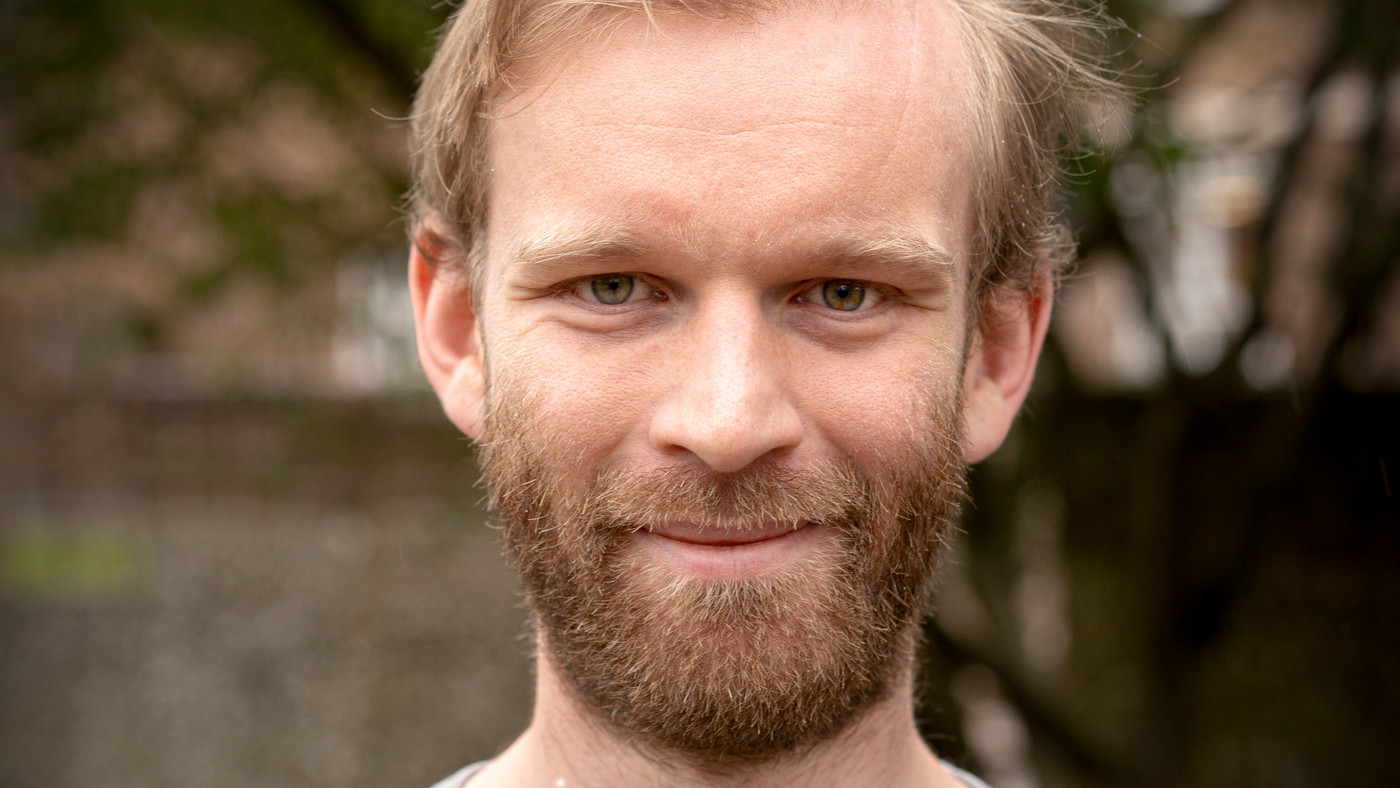
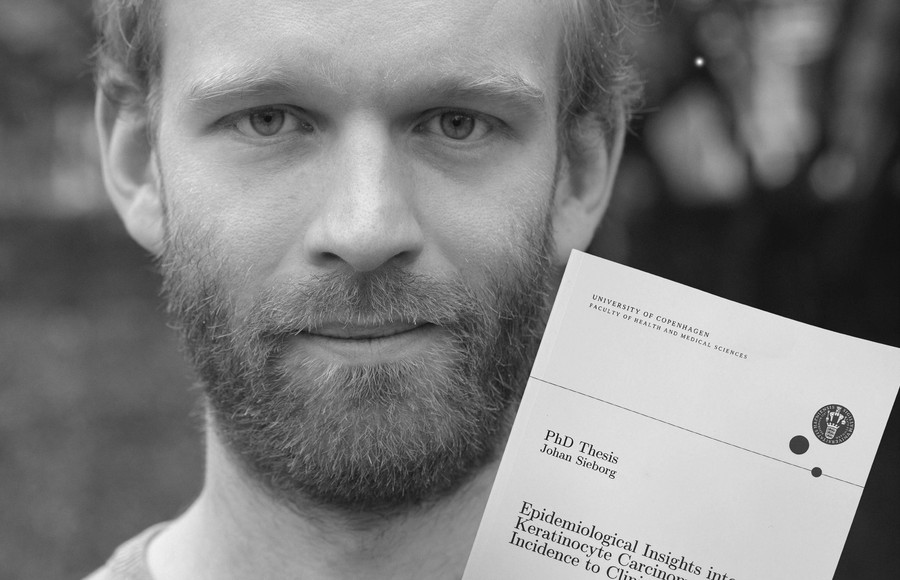
“We know that cancer survivors experience fear of recurrence. These results show that patients at high risk of developing melanoma and who have not yet developed the disease may also have stress and worry. But detecting this requires an actual screening for psychological distress,” says Johan Sieborg, physicist and PhD student at the Skin Cancer Research Center.
In a research article recently published in the British Journal of Dermatology, Johan Sieborg, in collaboration with the University Hospital of Zurich, he worked with Swiss data from a dermatology department, where he spent time as part of his PhD exchange.
He analyzed data from two patient groups: one group had melanoma, while the other was at high risk of developing it.
A Simple Tool can Make a Difference
A relatively simple tool—a so-called Distress Thermometer—was used in the screening to assess patients’ levels of worry, stress, or fear related to the disease.
The Distress Thermometer consists of a single question, where patients rate their psychological distress on a scale from 0 to 10. In the research project, patients were also given a much more comprehensive questionnaire.
The results showed that patients with high distress levels could be identified both through the detailed questionnaire and the simpler Distress Thermometer.
“By comparing the responses, we found that the Distress Thermometer—with just one simple question—was actually able to screen and identify patients who were so psychologically affected that they might need support,” Johan Sieborg explains.
Relevant for Other Types of Cancer
Although the study is based on melanoma, the findings are also applicable and relevant to other types of cancer.
“Even though common skin cancer (basal cell carcinoma) is widespread and have good prognoses, patients can still become worried. If you are not well informed and hear the word ‘cancer,’ it is easy to fall into a negative spiral of thoughts. This study shows that even people without a diagnosis—but with high risk—can experience stress related to skin cancer and may need support,” he says.
The researchers recommend that high-risk patients be systematically included in screening programs. The Distress Thermometer could play a key role as a quick and resource-efficient tool in everyday clinical practice.
The article can be read online, and the authors—besides Johan Sieborg—include Merete Hædersdal, Lara Valeska Maul, Emilie Westerlin Kjeldsen, Sara Cerminara, Alexander Egeberg, Elisabeth Victoria Goessinger, Julia-Tjatjana Maul, and Joanna Mangana.