Otto’s Journey into Skin Cancer Research
A Professor’s Infectious Passion
During his graduate studies, Otto was taught by Professor Merete Hædersdal. Her deep expertise and engaging teaching style left a strong impression on him. Her passion for dermatology and research ignited a spark in Otto.
At the end of the semester, Merete Hædersdal recognized Otto’s strong commitment and high academic level, which he demonstrated through an outstanding exam performance. She awarded him top marks and mentioned the possibility of future collaboration.
Shortly after, Otto reached out to the professor to ask if he could join a research project under her guidance. He wanted to learn more about both dermatology and the world of research.
Multiple Academic Levels Create Shared Growth
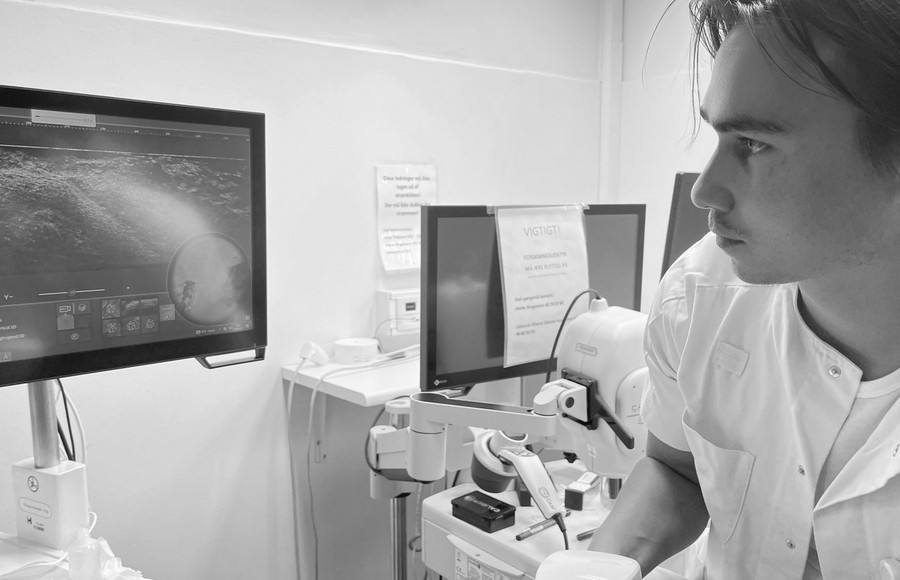
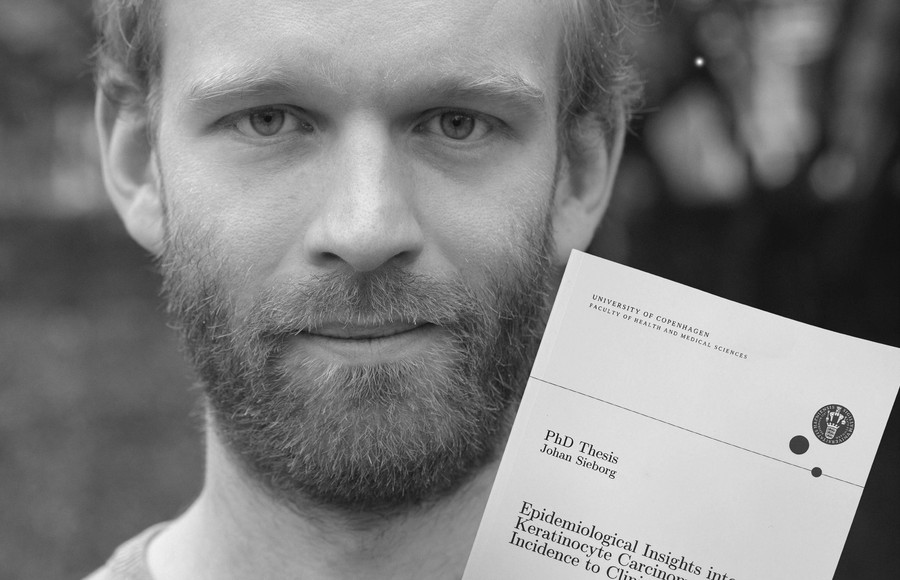
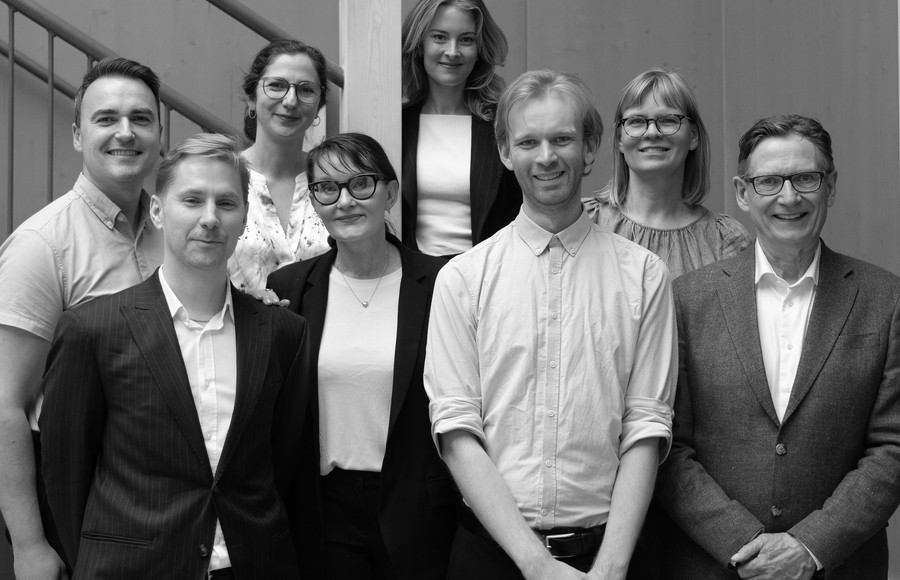
Having already seen Otto’s potential, Merete invited him to join a research team working on a groundbreaking project: using artificial intelligence for image-based diagnostics of basal cell carcinoma. Otto was introduced to a dynamic team consisting of Professor Merete Hædersdal as lead researcher and mentor, Postdoc Vinzent Ortner, PhD student Kevin Jacobsen, Senior Researcher Peter Philipsen, and Assistant Professor Gavrielle Untracht.
Merete Hædersdal explains the team’s composition:
“As a head physician, professor, and research leader, I have a busy schedule, and knowledge sharing takes time. By building a strong team of researchers at different stages of their careers, we ensure that knowledge flows through the center via meaningful dialogue across levels. This gives us all new perspectives and inspiration. It also means we can leverage collective expertise and fresh input, from the experienced professor to the curious student.
We aim to promote knowledge exchange across disciplines and skill sets. That’s how we produce strong research results that not only generate new insights but also lead to practical, innovative methods for preventing, diagnosing, and treating skin cancer.”
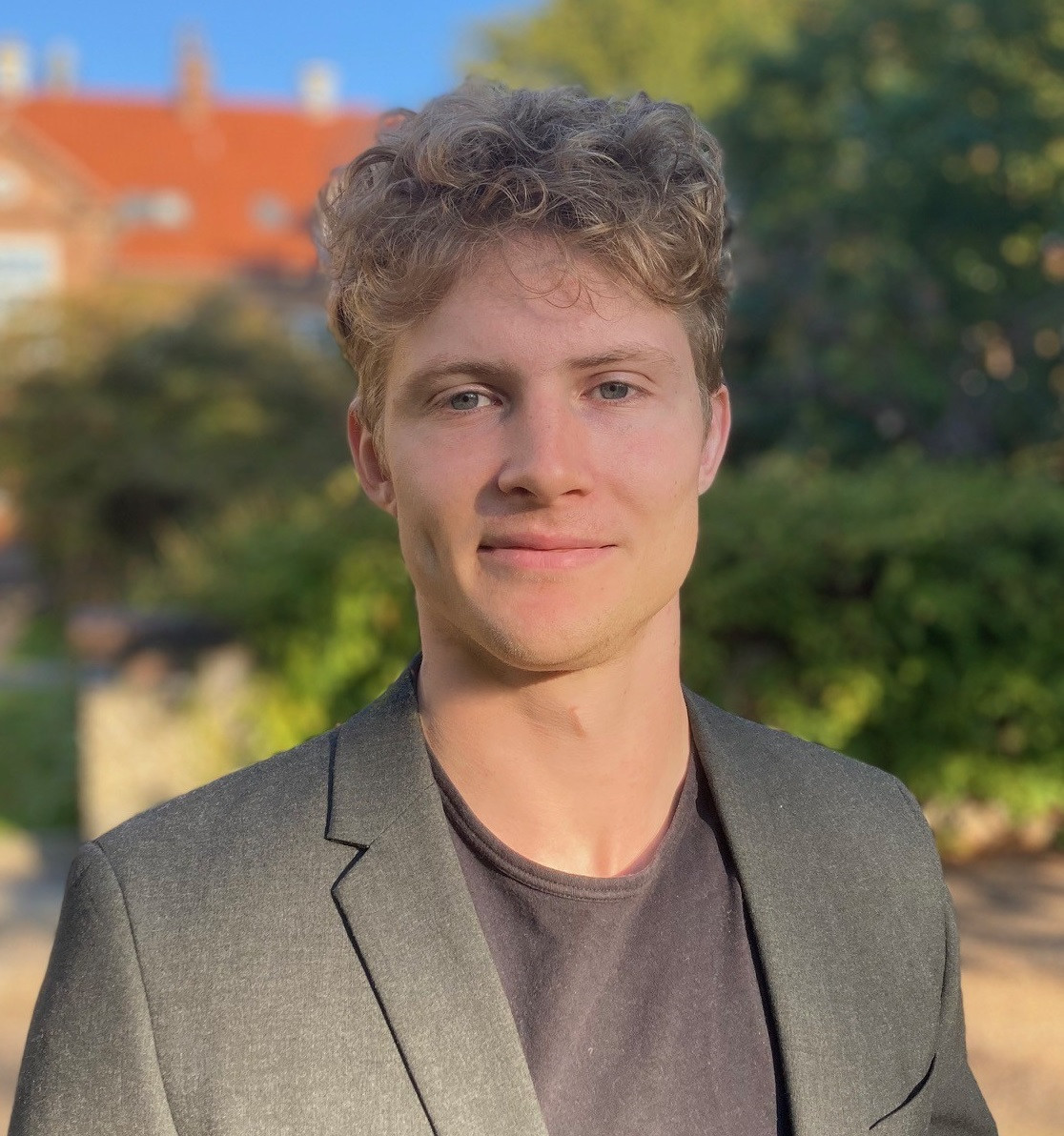
Otto is set to complete his medical degree in January 2026 and looks forward to starting his PhD studies at the University of Copenhagen and the Danish Research Center for Skin Cancer,
Learning from Others’ Expertise
For Otto, this was the ideal entry point into research. He experienced how a strong team with diverse competencies and perspectives could create a learning environment where he felt both challenged and supported.
The Danish Research Center for Skin Cancer, where the project is based, brings together a wide range of professionals, from data analysts and pharmacists to biologists, engineers, doctors, lab technicians, and nurses.
“The many high-level disciplines offer different perspectives. For example, I’ve learned a lot about how our skilled engineers and data experts make information usable. That’s a huge gift for a medical student with research ambitions,” Otto says.
Doctor First, Then PhD
Otto is set to complete his medical degree in January 2026 and looks forward to starting his PhD studies at the University of Copenhagen and the Danish Research Center for Skin Cancer, where his research journey recently began.
For Otto, meeting Merete Hædersdal and the research team wasn’t just an academic opportunity, it marked the beginning of a career path he now follows with great motivation and a clear sense of direction.